Understanding ALS
This page explains ALS in everyday language. It is drawn from NINDS, the CDC’s National ALS Registry, MedlinePlus, and The ALS Association. It is not a diagnosis.
What ALS is
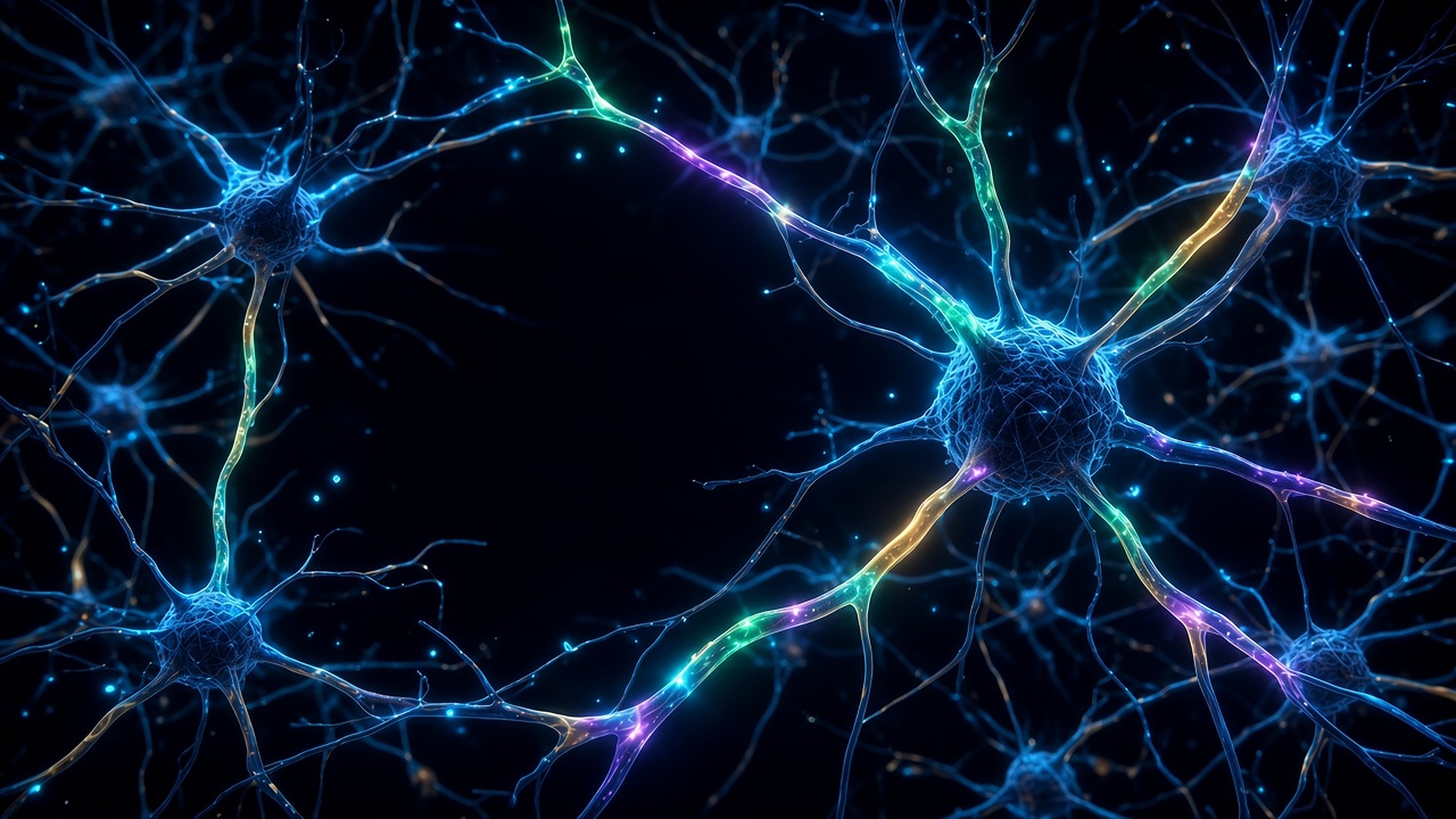
Amyotrophic lateral sclerosis (ALS) is a progressive neurological disorder. In the United States it was long called Lou Gehrig’s disease. It affects motor neurons, the nerve cells in the brain and spinal cord that control voluntary muscle movement and breathing.
As motor neurons degenerate and die, they stop sending messages to the muscles. The muscles weaken, start to twitch (these twitches are called fasciculations), and waste away (atrophy). Eventually the brain loses its ability to start and control voluntary movements such as walking, talking, chewing, and breathing. ALS is progressive, which means symptoms get worse over time.
The ALS Association explains the name this way. Amyotrophic means muscles are not receiving nourishment, so they weaken and shrink. Lateral refers to the area of the spinal cord where nerve cells that control movement are located. Sclerosis means scarring or hardening as those pathways degenerate.
Source: NINDS (external site) and The ALS Association (external site) .
Who develops ALS
Key facts
- How many people. The CDC says recent estimates suggest close to 35,000 people in the United States may be living with ALS, and that doctors tell over 5,000 Americans each year that they have it. Records have not been kept everywhere, so the count is uncertain.
- Sporadic and familial. The ALS Association says about 90 percent of cases are sporadic, with no known family history. NINDS says about 10 percent are familial, meaning inherited. The CDC describes familial ALS as about 5 to 10 percent of cases.
- Age. ALS can happen at any age. NINDS says symptoms most often begin between 55 and 75.
- Course. NINDS says most people with ALS die because they can no longer breathe on their own, usually within three to five years after symptoms start. About 1 in 10 live 10 years or longer. The course is not the same for everyone.
A risk factor raises the chance compared with people without it. It does not mean a person will develop ALS. Men are slightly more likely than women to develop ALS, but at older ages men and women are equally likely to be diagnosed. NINDS also says White people, particularly non-Hispanic White people, are the most likely to develop ALS, and that it affects people of all races and ethnicities.
Having a relative with ALS raises risk, and NINDS says that risk for family members is still low. Most relatives do not develop ALS. NINDS says some studies suggest military veterans are about one and a half to two times more likely to develop ALS. The reason is unclear.
MedlinePlus says there is no known way to prevent ALS. If ALS runs in the family, a clinician can talk about whether genetic counseling is useful. NINDS names several genes linked to familial ALS, including C9orf72 and SOD1. One approved medicine, tofersen, is only for people with a confirmed SOD1 mutation. That detail is on the treatment section below.
Common symptoms
NINDS lists these early symptoms:
- Muscle twitches in the arm, leg, shoulder, or tongue
- Muscle cramps
- Tight and stiff muscles, called spasticity
- Muscle weakness in an arm, a leg, or the neck
- Slurred and nasal speech
- Difficulty chewing or swallowing
The ALS Association adds that early weakness is often painless and gradual. People may trip, drop things, feel fatigue in an arm or leg, or have episodes of laughing or crying they cannot control. Symptoms may begin in the hands or arms, the legs or feet, or the muscles used for speech and swallowing. The order is not the same for everyone.
The Muscular Dystrophy Association says symptoms may begin in the limbs or in the bulbar region, the muscles used for speaking and swallowing. In clinic you may hear limb-onset when weakness starts in an arm or leg, and bulbar-onset when it starts with speech or swallowing.
As ALS progresses, NINDS says people may have trouble with:
- Chewing and swallowing (dysphagia), and drooling
- Speaking or forming words (dysarthria)
- Breathing (dyspnea)
- Unintended crying, laughing, or other emotional displays
- Constipation, weight, and getting enough nutrition
What usually stays, and what can change
The ALS Association says ALS affects motor neurons, the cells that control voluntary movement. Sight, touch, hearing, taste, and smell are not affected. Eye muscles and bladder control are usually not affected.
Thinking is a separate question. NINDS says people usually remain able to reason, remember, and understand, and are aware of the loss of movement. That awareness can bring anxiety and depression. NINDS also says some people have problems with language or decision-making, and some develop a form of dementia called FTD-ALS. It is not accurate to say the mind is never involved. It is also not accurate to say everyone loses the ability to think.
NINDS says most people with ALS die because they can no longer breathe on their own, usually within three to five years after symptoms first appear. About 1 in 10 survive for 10 years or more. The course is not the same for every person.
How ALS is diagnosed
There is no single test that confirms ALS. NINDS, MedlinePlus, and The ALS Association all say that. A doctor reviews the medical history and does a physical and neurological exam, checking strength, reflexes, and other responses. Exams are repeated to see whether symptoms are changing.
Tests are used to look for ALS and to rule out other disorders. They can include:
- Electromyography (EMG) and a nerve conduction study, which look at how nerves and muscles work
- MRI of the brain and spinal cord
- Blood and urine tests
- A spinal tap (lumbar puncture) to test cerebrospinal fluid
- Sometimes a muscle or nerve biopsy
NINDS says it is important to get an accurate diagnosis as soon as possible, because treatments may help most when they start soon after symptoms begin. A neurologist who knows ALS can help.
The ALS Association strongly recommends a second opinion from a doctor who regularly diagnoses and treats ALS. It says that in about 10 to 15 percent of cases, people are first told they have ALS and later learn they have a different condition.
Finding a clinic explains how to look up multidisciplinary ALS centers.
Treatment, in brief
NINDS says there is no treatment that reverses damage to motor neurons or cures ALS. Some treatments may slow the disorder, improve quality of life, or extend survival. Approved drugs change. The list below is the one NINDS was publishing when this page was checked. Confirm it with a clinician and with the NINDS page.
- Riluzole (Rilutek). An oral medicine. NINDS says clinical trials showed it may extend survival by a few months. A thickened liquid (Tiglutik) and a tablet that dissolves on the tongue (Exservan) can be easier for people who have trouble swallowing.
- Edaravone (Radicava). Given by IV or by mouth, including through a feeding tube as Radicava ORS. NINDS says it has been shown to slow functional decline in some people.
- Tofersen (Qalsody). A spinal injection for people with ALS who have a confirmed SOD1 gene mutation. NINDS says its benefits are still being studied. It is not a medicine for every person with ALS.
Sodium phenylbutyrate/taurursodiol, sold as Relyvrio, was approved and then removed by its manufacturer in 2024 after a larger trial did not confirm earlier results. NINDS and The ALS Association both say this.
Other medicines can help with symptoms such as cramps, stiffness, saliva, unwanted laughing or crying, pain, depression, sleep, or constipation. A clinician chooses those. This page does not list doses.
NINDS says an integrated team is the best setup for supportive care. That team may include physicians, pharmacists, physical, occupational, speech, and respiratory therapists, nutritionists, social workers, psychologists, and home-care or hospice nurses. The ALS Association, citing an American Academy of Neurology practice update, says participation in a multidisciplinary ALS clinic may prolong survival and improve quality of life. Ask for a clinic the Association has certified or recognized. The living with ALS page links the locator.
The ALS Association also describes palliative care as an extra layer of support for symptoms, stress, and planning. It can begin at diagnosis, including alongside other treatment, and it is not the same as hospice. A neurologist or primary clinician can refer you. Palliative care for ALS (external site)
Decisions about a feeding tube or breathing support are personal medical decisions. The living with ALS page names the kinds of help that exist and points back to the care team.
More sources, checked November 28, 2026
These entries come from a reviewed bookmark list. Each description is what that page says. The link sits on the line under the description.
1. ALS Therapy Development Institute (ALS TDI)
A nonprofit biotech that describes itself as a drug-discovery lab focused solely on ALS. The site’s menu covers education (what ALS is, treatments, newly diagnosed, veterans, a FAQ), a trial navigator, studies people can join, town halls and a community forum, plus the lab’s research programs. https://www.als.net/ (external site)
Also relevant for: Living with ALS and Get involved. A veterans-specific section is planned later; the veterans page stays in this list until then.
-
Homepage — ALS TDI describes itself as a nonprofit biotech and a drug discovery lab focused solely on ALS, with ways to learn about the disease, find trials, join a study, or support the work.
-
What is ALS? — Plain-language overview: ALS (also called MND, Lou Gehrig’s disease, or Charcot’s disease) is a progressive disease in which motor neurons die, leading to muscle wasting and paralysis; the page covers causes, symptoms, diagnosis, stages, and treatments.
-
ALS Treatments — The site’s “ALS Treatments” menu item opens this article, which says there are currently no treatments that stop ALS progression, but three approved drugs can provide some benefit: riluzole and edaravone (Radicava) for people with ALS in the U.S., and tofersen (Qalsody) for SOD1-related genetic ALS (approved in early 2023).
https://www.als.net/news/approved-drugs-for-als-progression/ (external site)
-
Newly Diagnosed With ALS — Guidance for people who have recently been diagnosed, or whose loved one has, with the note that everyone handles a diagnosis differently and needs will be unique.
-
Veterans and ALS — States that studies have shown veterans are 1.5 to 2 times more likely than civilians to be diagnosed with ALS, and describes VA disability compensation and health care for those who served 90 or more consecutive days of active duty and were honorably discharged.
-
ALS FAQ — Frequently asked questions about ALS and ALS research.
-
ALS Trial Navigator — A tool the site says gives people and caregivers essential information for deciding about ALS clinical trials, including a guided finder.
-
ALS Research Collaborative (ARC) — An ongoing observational study people with ALS, or asymptomatic gene carriers, can join from home by sharing medical, family, and work history to inform research.
-
ARC Data Commons — A repository of the ALS data shared through the ARC study.
-
Champion Insights — A research initiative on why certain groups — elite athletes, military personnel, and first responders — are more likely to be diagnosed with ALS.
-
Let Us Help — A dedicated team the institute says is available for questions about research, resources, or clinical trials, or simply to talk.
-
ALS Town Hall — Virtual discussions led by people in research, advocacy, care, awareness, and fundraising, with short talks and live questions.
-
ALS Unfiltered — A series of free interactive presentations on ALS, current drug research, clinical trials, and resources.
-
ALS TDI Community Conversations — A virtual series hosted by Dr. Nadia Sethi, Director of Community Outreach and Engagement, on research at ALS TDI, current trials, and questions about ALS science.
https://www.als.net/als-tdi-community-conversations/ (external site)
-
ALS Forum — A free portal the site describes as a place to exchange information about ALS, scientific advances, and treatments.
-
The Endpoints Podcast — Short conversations with people living with ALS, researchers, advocates, and fundraisers about research, closely watched trials, health care, and personal journeys.
-
ALS News & Resources — A hub the site describes as vetted resources, research news, trial information, and community connections for people with ALS, families, and caregivers.
-
ALS News — News, press releases, and blogs from ALS TDI.
-
Glossary — Definitions of common terms used in ALS and ALS research.
-
The Drug Discovery Engine — Explains ALS TDI’s approach: inventing and discovering treatments in its lab and working to advance them into trials.
https://www.als.net/als-drug-discovery-engine/ (external site)
-
Research — Overview of the institute’s research.
-
Our Labs — A look at where the research happens and the people who do it.
-
Our Pipeline — The institute’s treatment pipeline page.
https://www.als.net/als-research/our-pipeline/ (external site)
-
Publications — A selected list of peer-reviewed papers by ALS TDI researchers.
https://www.als.net/als-research/publications/ (external site)
-
Augie’s Quest Translational Research Center — The institute’s translational research center, which aims to better understand ALS and develop potential treatments.
https://www.als.net/als-research/translational-research/ (external site)
-
Tegoprubart (AT-1501) — An anti-CD40L antibody therapeutic the institute says it invented, with preclinical data described on the page.
-
Take Action — Ways to support the work: donate, attend events, raise awareness, or join the ARC study.
-
Help Fund Treatments — Donation and fundraising page; the site’s wording is that ALS is “not incurable, it is underfunded.”
2. MedlinePlus — National Library of Medicine
The medical facts below come from the ALS topic page, not the general encyclopedia homepage. On the ALS topic page, MedlinePlus explains what ALS is, who is more likely to develop it, symptoms, and how it is diagnosed, and says there is no treatment to reverse damage, though medicines and a care team may help with function, symptoms, and sometimes survival.
https://medlineplus.gov/amyotrophiclateralsclerosis.html (external site)
Also relevant for: Resources.
3. BrainHealth.com (American Academy of Neurology)
AAN’s public site, which replaced Brain & Life magazine. It publishes neurologist-reviewed articles on neurologic conditions, caregiving, and brain health. The contact-page FAQ says the print magazine was discontinued in January 2026 and that the same articles and resources remain available on BrainHealth.com, and that content is developed by the AAN and reviewed by its experts.
https://www.brainhealth.com/ (external site)
https://www.brainhealth.com/contact-us/ (external site)
Free subscription. The homepage states, “Free brain health insights. Our email newsletters deliver tips, resources, and inspiration straight to your inbox.” The signup page is titled “Subscribe to our newsletters,” invites people to join the community and choose interests (including “ALS/Lou Gehrig’s Disease”), and lists no price or payment step.
https://www.brainhealth.com/account/signup (external site)
The professional AAN homepage (for neurologists and guidelines, not a first-stop patient guide) is https://www.aan.com/ (external site) .
Also relevant for: Resources.
4. Primary lateral sclerosis (PLS) — Cleveland Clinic
Page last updated September 29, 2026. This patient guide describes PLS as a rarer motor neuron disease that mainly affects upper motor neurons, usually progresses more slowly than ALS, and is often mistaken for ALS. It states there is no cure and that treatment is aimed at managing symptoms.
https://my.clevelandclinic.org/health/diseases/17986-primary-lateral-sclerosis (external site)
Also relevant for: Advanced (ALS-related conditions).
5. NeurologyLive
A clinical-neurology news site. These are specialist video conversations, not patient handouts. The diagnosing and treatment videos are from 2021. Also relevant for: Living with ALS (the spasticity and treatment discussions).
-
Diagnosing ALS: Signs and Symptoms (April 13, 2021) — Neurologists including Richard Bedlack, Ammar Al-Chalabi, and Jinsy Andrews discuss how ALS often first shows up (speech or swallowing, hand weakness, or foot drop), why presentations differ, and why a correct diagnosis can take a year or more. This video is from 2021.
https://www.neurologylive.com/view/diagnosing-als-signs-and-symptoms (external site)
-
Therapeutic options for spasticity — A clinician-oriented Peer Exchange on treatments and practical issues in managing spasticity (not ALS-only).
-
Progress in the treatment of ALS (2021) — A 2021 Peer Exchange on ALS treatment progress, trials, and care. Dated; pair it with current trial tools (NEALS, I AM ALS Signal, ALS TDI Trial Navigator) rather than treating it as up-to-date treatment advice.
Sources
Facts on this page are paraphrased from the public pages below. They were checked in November 2026. Those sites are the record if wording changes.
- NINDS: Amyotrophic lateral sclerosis (ALS) (external site)
- CDC: About the National ALS Registry (external site)
- MedlinePlus: Amyotrophic lateral sclerosis (external site)
- The ALS Association: What is ALS? (external site)
- The ALS Association: Symptoms and diagnosis (external site)
- Muscular Dystrophy Association: ALS (external site)
- The ALS Association: Palliative care for ALS (external site)